How to Choose a Kinetic Facade Manufacturer: Supplier Evaluation Guide
A Supplier Evaluation Guide
Compare suppliers by engineering scope, manufacturing evidence, quality controls, materials, documentation, delivery and long-term support
Choosing a kinetic facade manufacturer requires more than comparing price or production capacity. Architects, developers and facade consultants should verify how each supplier converts design intent into reviewable engineering, controlled fabrication, documented quality checks, installation information and maintainable components.
A successful kinetic facade project requires far more than fabrication alone. It demands expertise in:
- Structural engineering
- Mechanical design
- Material selection
- Wind analysis
- Manufacturing precision
- Installation planning
This page is an independent supplier-selection framework. It helps project teams compare candidates and procurement evidence; it does not replace our company overview, manufacturing capability page, or project-specific engineering service scope.
A structured evaluation makes supplier proposals easier to compare and exposes missing scope before procurement. For an example of a project-led production workflow, review Kinetic Facade Design & Manufacturing.
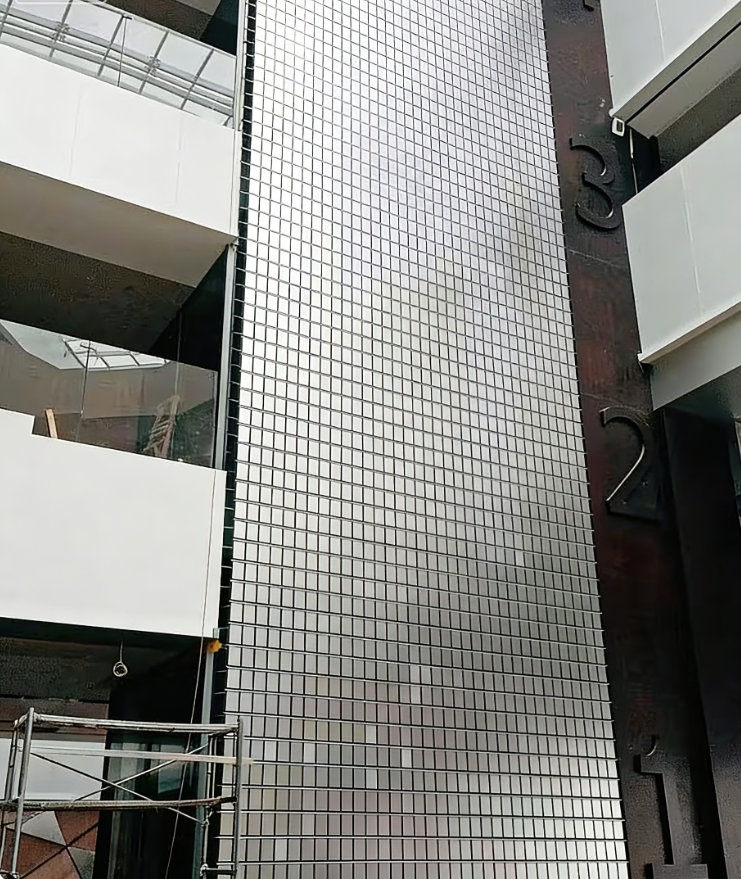
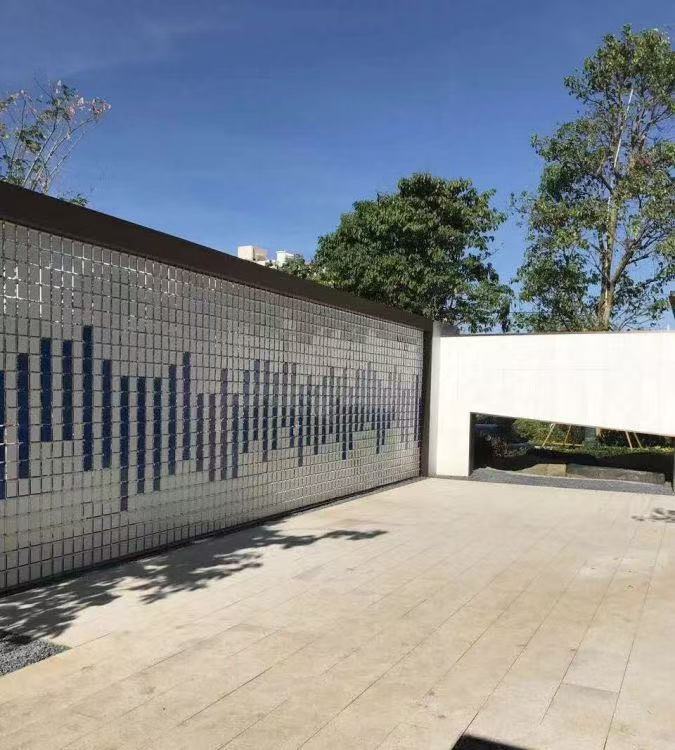
Define Supplier Scope and Responsibility Before Comparing Price
Supplier scope may extend from design coordination and component engineering through fabrication, documentation, packaging and installation support. Confirm the exact responsibility of each party in writing.
Typical services include:
Design Assistance
Supporting architects during the early design phase.
Engineering Analysis
Structural calculations, wind load analysis, motion studies, CFD simulations.
Custom Fabrication
Manufacturing moving facade components according to project specifications.
Installation Support
Providing technical documentation and site assistance.
Why Experience Matters in Kinetic Facade Manufacturing
Unlike conventional facade systems, kinetic facades contain moving components that must perform reliably under real-world environmental conditions.
These systems face challenges such as:
- Wind loads
- Mechanical fatigue
- Corrosion exposure
- Thermal expansion
- Long-term maintenance
An experienced manufacturer understands how these factors influence design decisions and product performance.
Capability Evidence to Verify in a Kinetic Facade Supplier
Custom Kinetic Wall Systems
Ask whether the supplier can document experience and scope for:
- Commercial buildings
- Airports
- Museums
- Hotels
- Mixed-use developments
- Public installations
Every project is engineered according to site-specific requirements.
Wind-Driven Kinetic Facades
For passive systems, review experience with Passive Wind-Driven Facade Systems.
Benefits include:
- No motor power required for passive panel movement
- Low maintenance
- Long service life
- Sustainable operation
These systems transform natural airflow into dynamic movement without motors or automation.
Motorized Kinetic Facades
For projects requiring programmable movement, we provide:
- Electric drive systems
- Sensor integration
- PLC controls
- Automated motion sequences
These systems are commonly used in landmark architecture and cultural projects.
How to Evaluate Materials and Finishes
Material selection directly impacts durability and performance.
Stainless Steel Kinetic Wall Tiles
Advantages:
- Exceptional corrosion resistance
- High mechanical strength
- Long service life
- Premium architectural appearance
Ideal for:
- Coastal projects
- High-end commercial buildings
- Public installations
Aluminum Kinetic Panels
Advantages:
- Lightweight
- Cost-effective
- Easy fabrication
Ideal for:
- Large-scale facade systems
- Weight-sensitive structures
Engineering Evidence to Request
A capable manufacturing partner should provide more than fabrication. Explore our custom facade engineering services for structural, mechanical, and project-specific support.
Useful engineering evidence may include:
Structural Engineering
Analysis of:
- Dead loads
- Live loads
- Wind loads
- Dynamic movement forces
Mechanical Engineering
Design of:
- Bearings
- Hinges
- Pivot systems
- Motion mechanisms
CFD Simulation
Computational Fluid Dynamics (CFD) analysis helps predict:
- Wind interaction
- Panel movement
- Airflow behavior
- Performance optimization
Shop Drawings
Comprehensive technical documentation for fabrication and installation.
Quality-Control Evidence and Acceptance Records
Ask the supplier to define inspection stages, acceptance criteria, records and responsibility for non-conforming work.
Material Inspection
Verifying:
- Material grade
- Surface finish
- Dimensional accuracy
Mechanical Testing
Testing:
- Joint performance
- Bearing movement
- Motion consistency
Assembly Verification
Ensuring components operate smoothly before shipment.
Project Fit and Reference Checks
Do not rely on a generic industry list alone. Ask for references that match your application, exposure, scale, motion type, material and delivery region. Use the following project categories to structure reference checks:
Airports
Creating iconic passenger experiences.
Commercial Buildings
Enhancing brand visibility and sustainability.
Museums
Combining engineering with artistic expression.
Hotels and Resorts
Delivering memorable architectural features.
Public Infrastructure
Improving civic architecture through dynamic design.
Evidence Required Before Supplier Shortlisting
Engineering Expertise
The supplier should demonstrate understanding of kinetic architecture.
Custom Manufacturing
Request examples showing how components were adapted to project geometry and interfaces.
Global Supply Capability
Verify export packaging, documentation, delivery responsibilities and destination experience.
High-Quality Materials
Including premium stainless steel kinetic wall tiles and architectural-grade aluminum systems.
Full Project Support
Confirm which design, fabrication, installation and after-sales tasks are included or excluded.
Supplier Evaluation Scorecard: How to Choose the Right Partner
Before selecting a supplier, score every candidate against the same evidence-based criteria. Record the document supplied, reviewer, open risk, responsible party and deadline for each item:
Engineering Capability
Can they provide structural calculations and CFD analysis?
Manufacturing Experience
Have they completed similar projects?
Material Quality
Do they use certified architectural-grade materials?
Technical Support
Can they assist during installation?
Long-Term Service
Do they provide maintenance guidance and replacement support?
For a detailed cost breakdown, see our Kinetic Facade Cost Analysis guide.
Build a Comparable Supplier Brief and Bid Matrix
To receive a detailed quotation, please provide:
1 Project Information
- Building type
- Project location
- Facade dimensions
2 Design Requirements
- Wind-driven system
- Motorized system
- Hybrid system
3 Material Preferences
- Stainless steel
- Aluminum
- Custom finishes
4 Project Timeline
- Expected fabrication schedule
- Installation planning
Send the same project brief to shortlisted suppliers so scope, exclusions, programme and commercial assumptions can be compared consistently. Your bid matrix should separately record engineering deliverables, prototype and testing, material specifications, tolerances, quality records, packaging, Incoterms, installation support, spare parts, warranty conditions and exclusions.
Use the kinetic wall specification review checklist to give each bidder the same evidence requirements for drawings, support interfaces and commissioning records.
Conclusion
The right kinetic facade manufacturer should be evaluated as both a production supplier and a technical coordination partner.
From concept design and CFD analysis to fabrication and installation support, successful kinetic facade projects require expertise across multiple disciplines.
Whether you need a wind-driven kinetic facade, a responsive kinetic wall system, or a fully customized architectural solution, partnering with an experienced manufacturer ensures long-term performance and project success.
Frequently Asked Questions
What is a kinetic facade manufacturer?
Can kinetic facades be customized?
What materials are used in kinetic facade systems?
Do manufacturers provide engineering support?
What is the lead time for a custom kinetic facade?
Do you supply projects internationally?
Download the Complete Catalog
Get our comprehensive Youjia Kinetic Facade Catalogue with detailed specifications, material data, installation guides, and project case studies.
⬇ Download Catalogue PDFNeed a Custom Kinetic Facade Solution?
We provide end-to-end engineering, fabrication, and global supply for kinetic facade projects of any scale.
- Custom Kinetic Facade Engineering
- Wind-Driven Kinetic Facade Systems
- Stainless Steel Kinetic Wall Tiles
- CFD Analysis & Structural Design
- Global Manufacturing & Supply
Discuss Your Kinetic Facade Project
Share your dimensions, application, material requirements and project schedule with our engineering team.
Request a Project Consultation