Designing with Light: Aesthetic Trends in Shimmer Wall Facades
A shimmer wall facade, a pivotal element of modern kinetic wall design, is far more than a static architectural feature—it is a living, breathing canvas where light, movement, and material converge to redefine the visual language of buildings. Often hailed as “the magic of light and shadow,” kinetic walls transform ordinary facades into dynamic works of art, leveraging the interplay of light reflection, color, and texture to create ever-changing visual experiences. In the realm of contemporary architecture, shimmer wall facades have emerged as a cornerstone of modern kinetic wall design, offering unparalleled versatility to architects and designers seeking to infuse buildings with personality, artistry, and a connection to the surrounding environment. This article delves deep into the latest aesthetic trends in shimmer wall facades, exploring how color, material, light, and design principles come together to craft stunning, functional, and emotionally resonant dynamic building skins. From mirror finishes that blur the line between structure and sky to biophilic designs that mimic nature’s rhythms, we uncover the strategies that make shimmer walls a defining trend in modern architecture, while naturally integrating core keywords, long-tail keywords, and LSI terms to provide a comprehensive guide for anyone passionate about custom kinetic art installations and shimmering wall textures.
In recent years, the demand for dynamic, visually striking building exteriors has propelled shimmer wall facades to the forefront of architectural design. Unlike traditional static walls, these dynamic building skins respond to their environment—whether it’s the movement of wind, the shift of sunlight, or the glow of artificial lighting—creating a sense of dynamism that captivates onlookers and elevates the overall aesthetic of a space. The latest trends in architectural kinetic facades prioritize not just visual appeal, but also artistic expression, sustainability, and human-centric design, ensuring that shimmer walls are both beautiful and functional. From commercial skyscrapers to residential homes, from public plazas to corporate lobbies, custom kinetic art installations have become a powerful way to make a statement, reflecting a brand’s identity or a space’s purpose through the language of light and movement. At the heart of these trends lies a simple truth: with shimmer wall facades, the design possibilities are limited only by the imagination.
This article explores five core aesthetic trends that are shaping the future of shimmer wall facades, each offering a unique approach to designing with light. We will dive into the transformative power of mirror finishes, the creative potential of pattern and gradient design (including pixel art with kinetic tiles), the enchanting effects of night illumination (including the use of RGB lighting), the subtle impact of光泽度 (glossy vs. matte finishes) on visual comfort, and the grounding influence of biophilic design. Along the way, we will include practical tables, real-world examples, and expert insights to illustrate how these trends are applied in practice, while ensuring that core keywords like modern kinetic wall design, shimmering wall textures, custom kinetic art installations, and dynamic building skins are naturally woven into the narrative. We will also address long-tail keywords such as kinetic wall color palettes for 2024 and how to create pixel art with kinetic tiles, providing actionable guidance for designers, architects, and anyone looking to incorporate these trends into their projects. By the end, you will have a comprehensive understanding of how to harness the magic of light to create shimmer wall facades that are both on-trend and timeless.
The Power of Mirror Finishes: Making Buildings “Disappear” Into the Sky
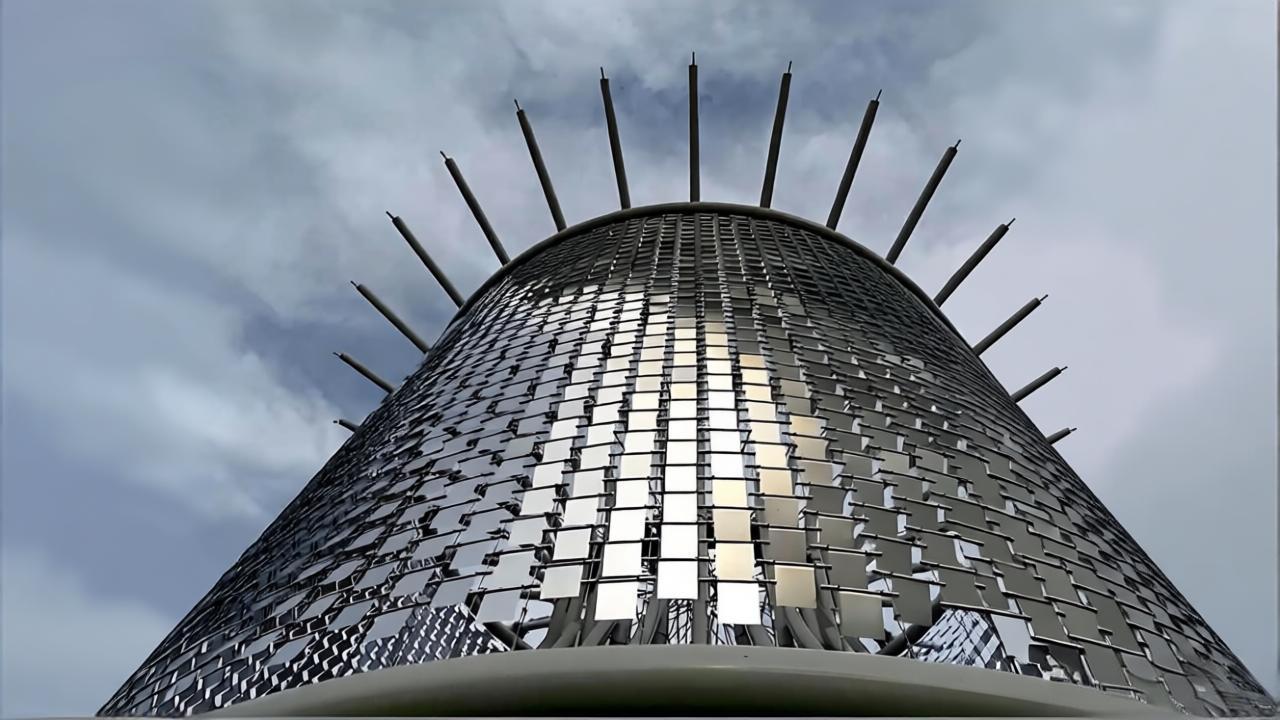
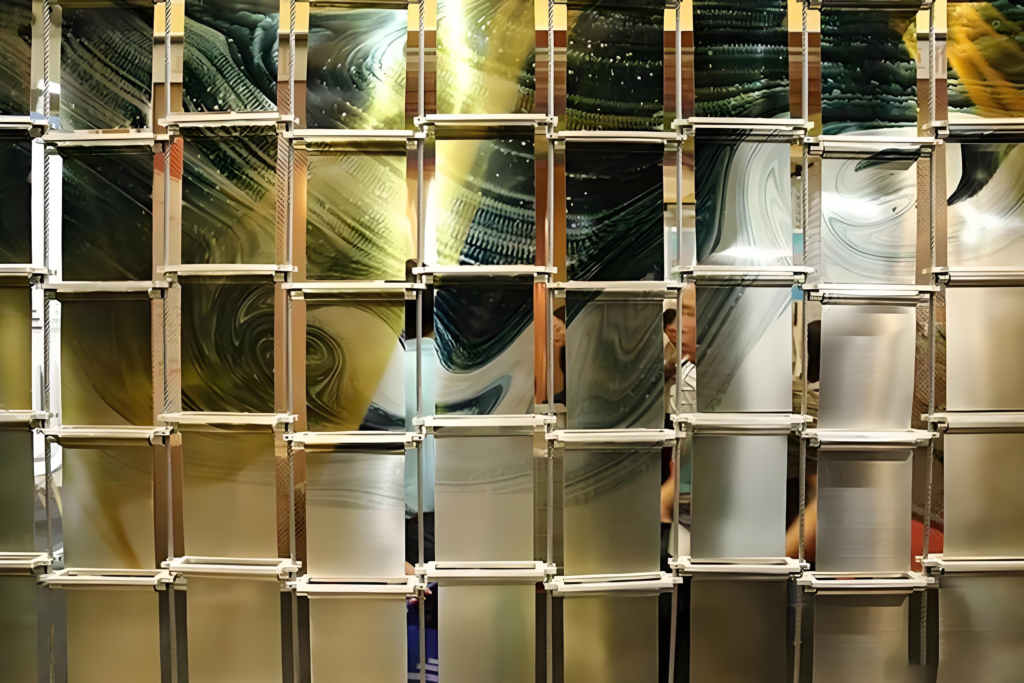
One of the most mesmerizing trends in modern kinetic wall design is the use of mirror finishes, a technique that leverages light reflection to blur the boundary between the building and its surrounding environment—often making the structure appear to “disappear” into the sky. Mirror-finish shimmer walls, a key example of dynamic building skins, are crafted from highly polished materials that reflect the sky, clouds, trees, and even nearby buildings, creating a chameleon-like effect that shifts with the time of day and weather conditions. This trend is rooted in the desire to create architecture that harmonizes with nature rather than competing with it, offering a sleek, minimalist aesthetic that feels both modern and ethereal. For custom kinetic art installations, mirror finishes provide a versatile canvas—they can be used to create subtle, understated elegance or bold, eye-catching statements, depending on the context and design goals.
The magic of mirror finishes lies in their ability to manipulate light reflection to create a sense of depth and transparency. Unlike traditional opaque facades, mirror-finish shimmer walls act as a mirror to the world around them, reflecting the changing colors of the sky at dawn and dusk, the movement of clouds, and the greenery of nearby landscapes. This not only enhances the visual aesthetics of the building but also creates a dynamic, ever-changing experience for anyone viewing the facade. For example, a skyscraper clad in mirror-finish kinetic panels will reflect the blue sky during the day, blending seamlessly with the horizon, while at sunset, it will take on the warm hues of orange and pink, becoming a striking focal point in the city skyline. This adaptability makes mirror finishes a popular choice for both urban and rural settings, as they can be tailored to complement any environment.
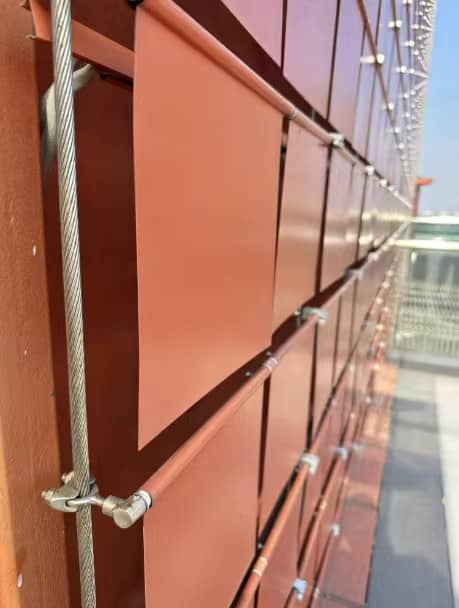
When it comes to materials, mirror-finish shimmer walls typically use highly polished metals such as stainless steel, aluminum, or copper, each offering unique reflective properties and aesthetic qualities. Stainless steel is a popular choice for its durability, resistance to corrosion, and high reflectivity, making it ideal for outdoor custom kinetic art installations. Aluminum, on the other hand, is lighter and more flexible, making it suitable for large-scale facades that require movement. Copper, with its warm, reddish hue, adds a touch of warmth to mirror finishes, and over time, it develops a patina that further enhances its visual appeal. The choice of material depends on factors such as the desired aesthetic, the environment (coastal vs. urban), and the budget, but all mirror-finish materials share the ability to create a seamless blend between the building and its surroundings.
To illustrate the versatility of mirror finishes in modern kinetic wall design, consider the example of the “Sky Mirror” facade in a recent commercial development in Dubai. The building’s exterior is clad in polished stainless steel kinetic panels that reflect the city’s skyline and the Arabian Gulf, creating the illusion that the structure is floating in mid-air. The panels are designed to move gently with the wind, adding a dynamic element to the reflective surface—when the wind blows, the panels shift, creating ripples of light that mimic the movement of water. This installation is a perfect example of how mirror finishes can transform a building into a work of art, combining shimmering wall textures with movement to create a truly immersive visual experience. Another example is a residential home in California, where a mirror-finish shimmer wall is used to blur the line between the house and the surrounding hills, reflecting the greenery and blue sky to create a sense of harmony with nature.

Table 1 below outlines the key materials used in mirror-finish shimmer walls, their properties, and ideal applications, helping designers choose the right material for their custom kinetic art installations.
| Material | Reflectivity Level | Durability & Weather Resistance | Ideal Application |
| Polished Stainless Steel | High (90-95%) | Excellent; resistant to corrosion, salt spray, and urban pollution | Outdoor commercial facades, coastal buildings, large-scale dynamic building skins |
| Polished Aluminum | Medium-High (85-90%) | Good; lightweight, resistant to rust, but may fade over time in harsh sunlight | Residential facades, temporary installations, custom kinetic art installations requiring movement |
| Polished Copper | Medium (75-80%) | Good; develops a patina over time, resistant to corrosion in non-coastal areas | Cultural buildings, boutique commercial spaces, installations emphasizing warmth and character |
| Mirror Acrylic | High (88-92%) | Moderate; lightweight, shatter-resistant, but not ideal for extreme weather | Indoor facades, lobbies, temporary custom kinetic art installations |
Mirror finishes also offer practical benefits beyond their aesthetic appeal. By reflecting sunlight, they can help reduce heat absorption in buildings, improving energy efficiency—a key consideration in sustainable modern kinetic wall design. In hot climates, mirror-finish shimmer walls can reflect up to 90% of solar radiation, reducing the need for air conditioning and lowering energy costs. Additionally, the reflective surface is easy to clean and maintain, making it a practical choice for high-traffic areas or buildings in urban environments. For designers, mirror finishes provide a blank canvas to experiment with light and reflection, allowing them to create custom kinetic art installations that are both visually stunning and functionally efficient.
As the latest trends in architectural kinetic facades continue to evolve, mirror finishes remain a timeless choice, offering a perfect blend of elegance, dynamism, and harmony with the environment. Whether used to make a building disappear into the sky or to create a bold, reflective statement, mirror-finish shimmer walls are a testament to the power of light in modern kinetic wall design.
Creating Patterns and Gradients: Crafting Pixel Art and Custom Designs with Kinetic Tiles
Another defining trend in shimmer wall facades is the use of pattern and gradient design, which allows architects and designers to transform dynamic building skins into custom kinetic art installations. By arranging kinetic tiles in different colors, sizes, and orientations, designers can create intricate patterns, bold gradients, and even pixel art—turning a simple facade into a canvas for artistic expression. This trend addresses the long-tail keyword “How to create pixel art with kinetic tiles” and leverages LSI terms like parametric patterns and gradient colors to push the boundaries of modern kinetic wall design. Unlike uniform facades, pattern and gradient shimmer walls tell a story, reflecting the brand identity, cultural context, or design vision of a space.
Pixel art with kinetic tiles is one of the most popular applications of this trend, allowing designers to create digital-inspired designs that come to life with movement. Kinetic tiles, which are modular and easy to install, act as “pixels” that can be arranged in any pattern or design. By using tiles in different colors, designers can replicate logos, abstract patterns, geometric shapes, or even detailed images—all of which are enhanced by the movement of the tiles in the wind. For example, a corporate building might use pixel art kinetic tiles to display its logo on the facade, with the tiles moving gently to create a dynamic, eye-catching effect. A public art installation might use pixel art to depict a local landmark or cultural symbol, engaging the community and adding a sense of place to the space.
Creating pixel art with kinetic tiles requires careful planning and precision. First, designers must determine the size and resolution of the pixel grid—this depends on the size of the facade and the level of detail desired. For large-scale facades, larger tiles (6-12 inches) are typically used, while smaller tiles (2-4 inches) are ideal for more detailed designs. Next, the color palette is selected—kinetic wall color palettes for 2024 lean toward bold, vibrant hues (such as electric blue, emerald green, and burnt orange) as well as soft, muted tones (like sage, blush, and charcoal) for a more understated look. The tiles are then arranged according to the pixel art design, with each tile’s color and orientation contributing to the overall image. When the wind blows, the tiles move, creating a subtle animation that brings the pixel art to life—making the facade feel dynamic and alive.
Gradients are another powerful tool in pattern design for shimmer wall facades, offering a seamless transition between colors that adds depth and dimension to the dynamic building skin. Gradient designs can be vertical, horizontal, or diagonal, and they can range from subtle, monochromatic transitions (like light blue to dark blue) to bold, contrasting combinations (like pink to yellow to purple). Gradients are particularly effective for creating a sense of movement even when the wind is calm, as the color transition guides the eye across the facade. For example, a residential building might use a vertical gradient from light gray to dark gray, creating a sleek, modern look that blends with the sky. A commercial space might use a vibrant gradient of purple to pink to orange, attracting attention and reflecting the brand’s energetic personality.
Parametric patterns, a key LSI term, are also gaining popularity in pattern design for shimmer wall facades. Parametric design uses algorithms to create complex, organic patterns that are both repetitive and unique—think swirling spirals, geometric mosaics, or wave-like patterns. These patterns are often inspired by nature, mathematics, or cultural motifs, and they can be tailored to the specific dimensions of the facade. For example, a parametric pattern inspired by the movement of water might feature overlapping, curved tiles that create a wave-like effect, with the tiles moving in the wind to enhance the illusion of motion. Parametric patterns are ideal for custom kinetic art installations, as they allow designers to create one-of-a-kind facades that are both visually striking and mathematically precise.

Table 2 below outlines the key techniques for creating patterns and gradients with kinetic tiles, along with their benefits and ideal applications, helping designers choose the right approach for their projects.
| Design Technique | Description | Benefits | Ideal Application |
| Pixel Art | Arrange colored kinetic tiles in a grid to create logos, images, or abstract designs | Highly customizable, engages viewers, reinforces brand identity | Corporate facades, public art installations, retail spaces |
| Gradients | Seamless color transition across the facade, vertical, horizontal, or diagonal | Adds depth and dimension, creates a cohesive look, versatile for any style | Residential buildings, boutique commercial spaces, hotels |
| Parametric Patterns | Algorithmic designs with organic, repetitive patterns (spirals, waves, mosaics) | Unique, visually complex, blends art and mathematics | Cultural centers, museums, high-end commercial buildings |
| Geometric Patterns | Simple or complex geometric shapes (squares, triangles, hexagons) arranged in a pattern | Modern, clean aesthetic, easy to scale, works with any color palette | Office buildings, urban plazas, minimalist residential homes |
A real-world example of this trend is the “Pixel Wave” facade in a retail mall in Tokyo. The facade features over 10,000 kinetic tiles arranged in a pixel art design that depicts a wave, with tiles in shades of blue, green, and white. When the wind blows, the tiles move, creating the illusion of a wave crashing against the building—blending pixel art with movement to create a dynamic, immersive experience. Another example is a corporate headquarters in London, where the facade uses a gradient of blue to purple, with parametric patterns that mimic the flow of data (a nod to the company’s tech focus). The gradient transitions smoothly from light blue at the bottom to deep purple at the top, while the parametric patterns add texture and depth, making the building stand out in the city skyline.
When designing patterns and gradients for shimmer wall facades, it’s important to consider the context of the space. For example, a hospital might use soft, muted gradients and simple patterns to create a calm, soothing environment, while a nightclub might use bold, vibrant pixel art and dynamic gradients to create an energetic, lively atmosphere. Additionally, the movement of the kinetic tiles should complement the pattern—for example, pixel art with small tiles will have a more subtle animation, while larger tiles will create a more dramatic effect. By combining pattern, color, and movement, designers can create custom kinetic art installations that are both visually stunning and contextually appropriate.
As kinetic wall color palettes for 2024 continue to evolve, pattern and gradient design will remain a key trend, offering endless possibilities for artistic expression. Whether creating pixel art, parametric patterns, or seamless gradients, shimmer wall facades with pattern design are redefining what’s possible in modern kinetic wall design, turning buildings into dynamic works of art.
Night Illumination: Creating Sparkling, Wave-Like Effects with Lighting and Kinetic Walls
While shimmer wall facades are stunning during the day, their true magic often comes to life at night, thanks to the trend of night illumination. By combining kinetic walls with strategic lighting—particularly RGB lighting—designers can create breathtaking,波光粼粼 (sparkling, wave-like) effects that transform the facade into a glowing, dynamic focal point after dark. This trend addresses the long-tail keyword “Using RGB lighting with kinetic walls at night” and integrates LSI terms like light reflection and visual aesthetics, offering a new dimension to modern kinetic wall design. Night illumination not only enhances the visual appeal of shimmer wall facades but also extends their impact into the evening, making them a focal point in urban landscapes and creating a memorable experience for viewers.
The key to successful night illumination is the synergy between the kinetic wall’s movement and the lighting design. Unlike static facades, which rely on fixed lighting, shimmer wall facades use the movement of the panels to create dynamic light effects—when the wind blows, the panels shift, reflecting light in different directions and creating a sparkling, wave-like effect. RGB lighting, which allows for full color customization, is particularly effective for this purpose, as it can be programmed to change colors, intensity, and pattern, complementing the movement of the kinetic panels. For example, RGB lights can be set to cycle through cool blues and greens to mimic the movement of water, or warm oranges and reds to create a cozy, inviting atmosphere.
There are several lighting techniques that designers use to enhance shimmer wall facades at night, each offering a unique effect. One popular technique is backlighting, where lights are installed behind the kinetic panels, creating a glowing silhouette that highlights the movement of the panels. Backlighting is ideal for mirror-finish or transparent panels, as it allows the light to shine through, creating a ethereal, glowing effect. Another technique is spotlighting, where spotlights are mounted at the base or top of the facade, directing light onto the kinetic panels. Spotlights can be angled to create dramatic shadows and highlights, emphasizing the texture and movement of the panels. For a more immersive effect, designers may use edge lighting, where lights are installed along the edges of the panels, creating a glowing outline that follows the movement of the panels.
RGB lighting offers unparalleled versatility for night illumination, allowing designers to create custom lighting schemes that align with the design vision of the space. For example, a hotel might use RGB lighting to match its brand colors, cycling through subtle hues to create a sophisticated, elegant atmosphere. A public plaza might use dynamic RGB lighting that responds to the wind—when the wind is calm, the lights are soft and steady; when the wind picks up, the lights flash and change color in sync with the movement of the panels. This interactive element adds a new level of engagement, making the shimmer wall facade a dynamic, living installation.
Another trend in night illumination is the use of smart lighting systems, which allow for remote control and programming of the lights. Smart lighting systems can be integrated with sensors that detect wind speed, time of day, or even human movement, adjusting the lighting accordingly. For example, a sensor might detect that the wind is blowing strongly, and the lighting system would respond by increasing the intensity of the lights to enhance the sparkling effect. Or, a sensor might detect that it’s dusk, and the lights would automatically turn on, transitioning from warm to cool hues as the night progresses. This level of customization ensures that the night illumination is always perfectly tailored to the environment and the desired effect.
Table 3 below outlines the key lighting techniques for night illumination of shimmer wall facades, along with their effects and ideal applications, helping designers choose the right approach for their projects.
| Lighting Technique | Effect | Best for | Example Application |
| Backlighting | Ethereal, glowing silhouette; highlights panel movement | Mirror-finish or transparent panels, minimalist designs | Hotel facades, residential homes, art installations |
| Spotlighting | Dramatic shadows and highlights; emphasizes texture and movement | Textured panels, pattern/gradient designs | Commercial buildings, public plazas, retail spaces |
| Edge Lighting | Glowing outlines; follows panel movement, creates a dynamic effect | Kinetic tiles, pixel art designs | Nightclubs, entertainment venues, modern office buildings |
| RGB Dynamic Lighting | Color-changing, interactive; syncs with wind or movement | Any shimmer wall facade; customizable to brand or context | Public art installations, corporate headquarters, shopping malls |
A striking example of night illumination in shimmer wall facades is the “Glowing Wave” installation in Singapore’s Marina Bay. The facade features kinetic panels clad in reflective material, with RGB lights installed behind the panels. At night, the lights cycle through shades of blue and green, mimicking the movement of the nearby bay. When the wind blows, the panels move, reflecting the lights and creating a sparkling, wave-like effect that shimmers across the facade. This installation has become a popular tourist attraction, demonstrating how night illumination can transform a shimmer wall into a dynamic, immersive work of art. Another example is a restaurant in Barcelona, where edge lighting is used on kinetic tiles arranged in a pixel art design of a sunset. The RGB lights cycle through warm oranges, pinks, and purples, creating a cozy, inviting atmosphere that draws in customers and enhances the dining experience.
When designing night illumination for shimmer wall facades, it’s important to balance aesthetics with functionality. The lighting should not be too bright, as this can cause light pollution or discomfort for nearby residents. Instead, designers should use soft, diffused lighting that enhances the shimmering wall textures without overwhelming the space. Additionally, the lighting should complement the movement of the kinetic panels—for example, slow, gentle lighting changes work best with subtle panel movement, while fast, dynamic lighting changes complement more vigorous movement. By carefully integrating lighting and movement, designers can create night illumination that elevates the aesthetic appeal of shimmer wall facades and creates a memorable experience for viewers.
As the latest trends in architectural kinetic facades continue to embrace night illumination, RGB lighting and smart lighting systems will play an increasingly important role. By combining light, movement, and color, designers can create shimmer wall facades that are stunning both day and night, redefining the visual landscape of modern cities.
Matte vs. Glossy: How Glossiness Impacts Visual Comfort and Aesthetic Appeal
In the world of modern kinetic wall design, the choice between matte and glossy finishes is more than just an aesthetic decision—it has a profound impact on visual comfort, light reflection, and the overall feel of the shimmer wall facade. This trend, which centers on the LSI term “matte vs glossy finish,” explores how different levels of glossiness can transform the look and feel of dynamic building skins, making it a critical consideration for custom kinetic art installations. While glossy finishes are known for their high reflectivity and bold shine, matte finishes offer a more understated, sophisticated look that prioritizes visual comfort—especially in bright or busy environments. Understanding the differences between these two finishes, and when to use each, is essential for creating shimmer wall facades that are both visually appealing and functional.
Glossy finishes are characterized by their high reflectivity, which creates a bold, shiny appearance that catches the light and draws attention. Glossy shimmer walls, which are often made from polished metals, glossy acrylic, or high-gloss paint, are ideal for spaces where the goal is to make a bold statement. They enhance shimmering wall textures by reflecting light intensely, creating a sparkling effect that is particularly striking in sunlight or under artificial lighting. Glossy finishes are also easy to clean and maintain, as they repel dirt and water, making them a practical choice for outdoor custom kinetic art installations in urban or coastal environments.
However, glossy finishes also have their drawbacks when it comes to visual comfort. Their high reflectivity can cause glare, especially in direct sunlight or when exposed to bright artificial lighting. This glare can be uncomfortable for viewers, especially in areas with high foot traffic or where people spend extended periods of time (such as residential neighborhoods or office parks). Additionally, glossy finishes can highlight imperfections in the panel surface, such as scratches or dents, which can detract from the overall aesthetic appeal of the facade. For this reason, glossy finishes are best used in areas where glare is not a concern—such as commercial buildings in busy urban centers, where the bold, shiny appearance is an asset rather than a distraction.
Matte finishes, on the other hand, are characterized by their low reflectivity, which creates a soft, muted appearance that is easy on the eyes. Matte shimmer walls, which are often made from matte metal, matte paint, or textured materials, prioritize visual comfort, making them ideal for spaces where glare could be a problem. Matte finishes absorb light rather than reflecting it, creating a smooth, even surface that is gentle on the eyes and complements a wide range of design styles. They are particularly popular in residential areas, hospitals, schools, and other spaces where a calm, soothing environment is desired.
Matte finishes also offer unique aesthetic benefits. They add depth and texture to shimmer wall facades, as the low reflectivity highlights the texture of the material and the movement of the panels. For example, a matte metal kinetic wall will have a subtle, industrial-inspired look that feels sophisticated and understated, while a matte painted kinetic wall can be customized with any color, creating a soft, cohesive appearance. Additionally, matte finishes are more forgiving of imperfections, as scratches and dents are less noticeable than they would be on a glossy surface. This makes them a practical choice for high-traffic areas or installations that are exposed to the elements.
The choice between matte and glossy finishes depends on several factors, including the context of the space, the desired aesthetic, and the level of visual comfort required. For example, a luxury retail store might use a glossy finish to create a bold, eye-catching facade that attracts customers, while a residential building might use a matte finish to create a calm, understated look that blends with the neighborhood. A public park installation might use a combination of both finishes—glossy panels for areas that need to stand out, and matte panels for areas where visual comfort is a priority.
Table 4 below compares matte and glossy finishes for shimmer wall facades, outlining their key properties, benefits, drawbacks, and ideal applications, helping designers make an informed decision for their custom kinetic art installations.
| Finish Type | Reflectivity Level | Benefits | Drawbacks | Ideal Application |
| Glossy | High (85-95%) | Bold, shiny appearance; enhances shimmer; easy to clean; repels water/dirt | Causes glare; highlights imperfections; less visually comfortable | Commercial buildings, retail spaces, urban art installations |
| Matte | Low (10-20%) | Soft, muted appearance; high visual comfort; hides imperfections; adds texture | Less reflective; harder to clean; may show dirt more easily | Residential buildings, hospitals, schools, calm public spaces |
A real-world example of the use of matte vs. glossy finishes is a mixed-use development in Berlin. The development features two adjacent buildings: one with a glossy stainless steel shimmer wall facade, and the other with a matte aluminum facade. The glossy building houses retail and commercial spaces, using the high reflectivity to attract customers and stand out in the urban landscape. The matte building houses residential units, using the low reflectivity to create a calm, comfortable environment for residents, with no glare to disrupt their daily lives. This example demonstrates how the choice between matte and glossy finishes can be tailored to the specific needs of the space, ensuring that the shimmer wall facade is both aesthetically appealing and functional.
Another example is a museum in Paris, where a combination of matte and glossy panels is used to create a dynamic, layered effect. The lower portion of the facade uses matte panels in a neutral color, creating a calm, grounding base. The upper portion uses glossy panels in a bold color, reflecting the sky and creating a striking focal point. The contrast between the two finishes adds depth and dimension to the facade, while the matte panels ensure visual comfort for visitors entering the museum. This approach highlights how combining matte and glossy finishes can create a balanced, visually appealing design that meets both aesthetic and functional needs.
When choosing between matte and glossy finishes for a shimmer wall facade, it’s important to consider the overall design vision, the context of the space, and the needs of the people who will interact with the facade. By understanding the impact of glossiness on visual comfort and aesthetic appeal, designers can create custom kinetic art installations that are both beautiful and functional, enhancing the overall experience of the space.
Biophilic Design: Mimicking Nature’s Rhythms with Kinetic Shimmer Walls
In an increasingly urbanized world, biophilic design has emerged as a key trend in modern architecture, and shimmer wall facades are no exception. Biophilic design, which seeks to connect people with nature through design elements, has found a perfect partner in kinetic shimmer walls—dynamic building skins that can mimic the movement of natural elements like water waves, clouds, leaves, and even fire. This trend leverages LSI terms like visual aesthetics and artistic expression to create custom kinetic art installations that not only look beautiful but also promote well-being, reducing stress and enhancing the connection between people and the natural world. By mimicking nature’s rhythms, biophilic shimmer walls transform ordinary facades into calming, immersive spaces that feel like an extension of the natural environment.
The core of biophilic design in shimmer wall facades is the ability to replicate the movement and patterns of nature. Kinetic panels, which move with the wind, are inherently suited to this purpose—their gentle, fluid movement can mimic the ebb and flow of water, the rustling of leaves, or the drift of clouds. By combining this movement with color, texture, and light, designers can create shimmer wall facades that evoke the beauty of nature, even in the heart of a busy city. For example, a shimmer wall designed to mimic water waves might use curved, blue-tinted panels that move in a fluid, wave-like motion, creating the illusion of water flowing down the facade. A design inspired by clouds might use light, white, or gray panels that move gently, mimicking the slow drift of clouds across the sky.
One of the most popular biophilic design elements in shimmer wall facades is the simulation of water waves. This is often achieved using curved or undulating kinetic panels, which move in a way that mimics the movement of water. The panels may be colored in shades of blue, green, or turquoise, and they may have a textured surface that reflects light like water. When the wind blows, the panels move in a fluid, wave-like motion, creating a calming, soothing effect that reminds viewers of the ocean, a lake, or a river. This design is particularly popular in coastal areas, but it can also be used in urban spaces to bring a touch of nature to the city.
Another common biophilic design is the simulation of leaves or foliage. This is achieved using small, leaf-shaped kinetic panels that move with the wind, mimicking the rustling of leaves in a tree. The panels may be colored in shades of green, brown, or gold, and they may have a textured surface that resembles the veins of a leaf. This design is ideal for parks, gardens, or buildings with a focus on sustainability, as it creates a connection between the built environment and the natural world. For example, a public park might feature a shimmer wall with leaf-shaped panels that move in the wind, creating the illusion of a grove of trees, even in an urban setting.
Cloud-inspired biophilic shimmer walls are another popular trend, using light, fluffy panels that move gently, mimicking the drift of clouds. The panels may be white, gray, or light blue, and they may have a soft, textured surface that resembles the texture of clouds. This design creates a calm, ethereal atmosphere, making it ideal for hospitals, schools, or residential buildings where a soothing environment is desired. For example, a children’s hospital might use a cloud-inspired shimmer wall to create a calming, reassuring environment for young patients, helping to reduce anxiety and stress.
Biophilic design in shimmer wall facades also often incorporates natural materials, such as wood, stone, or natural fibers, to enhance the connection to nature. For example, a shimmer wall might combine wooden kinetic panels with metal panels, creating a warm, organic look that feels like a blend of natural and built elements. Or, a design might use stone-textured panels that mimic the look and feel of natural stone, adding a grounding element to the facade. By combining natural materials with kinetic movement, designers can create custom kinetic art installations that are both visually stunning and emotionally resonant.
Table 5 below outlines common biophilic design elements for shimmer wall facades, along with their natural inspiration, design techniques, and benefits, helping designers create biophilic custom kinetic art installations.
| Biophilic Element | Natural Inspiration | Design Technique | Benefits |
| Water Waves | Oceans, lakes, rivers | Curved/undulating panels; blue/green/turquoise colors; textured surface | Calming, soothing; reduces stress; evokes tranquility |
| Leaves/Foliage | Trees, plants, forests | Leaf-shaped panels; green/brown/gold colors; vein-like texture | Connects to nature; creates a warm, organic feel; enhances well-being |
| Clouds | Sky, clouds, mist | Light, fluffy panels; white/gray/light blue colors; soft texture | Ethereal, calming; reduces anxiety; creates a serene environment |
| Fire | Flames, embers | Orange/red/yellow panels; dynamic, flickering movement | Warm, inviting; creates a cozy atmosphere; evokes comfort |
A notable example of biophilic design in shimmer wall facades is the “Wave Wall” in Sydney, Australia. The facade features curved, blue-tinted kinetic panels that move in a wave-like motion, mimicking the movement of the nearby Pacific Ocean. The panels are arranged in a gradient from light blue to dark blue, creating the illusion of depth, and they are backlit at night to enhance the water-like effect. This installation has become a beloved landmark, connecting the city to its coastal environment and providing a calming, immersive experience for viewers. Another example is a corporate office building in Portland, Oregon, which features a leaf-inspired shimmer wall. The facade uses leaf-shaped kinetic panels in shades of green and brown, which move in the wind to mimic the rustling of leaves. The design not only enhances the building’s aesthetic appeal but also creates a connection to the nearby forest, promoting well-being among employees.
Biophilic design in shimmer wall facades offers numerous benefits beyond aesthetic appeal. Studies have shown that exposure to nature-inspired design elements can reduce stress, improve mood, and enhance productivity—making biophilic shimmer walls ideal for workplaces, hospitals, schools, and residential spaces. Additionally, biophilic designs often incorporate sustainable materials and energy-efficient features, aligning with the growing trend toward sustainable modern kinetic wall design. By mimicking nature’s rhythms, biophilic shimmer walls create dynamic building skins that are not only beautiful but also beneficial to human well-being.
Conclusion: The Only Limit Is Your Imagination
Shimmer wall facades have redefined the possibilities of modern kinetic wall design, offering a perfect blend of art, engineering, and nature. From the transformative power of mirror finishes that make buildings disappear into the sky to the creative potential of pixel art and gradients, from the enchanting night illumination that creates sparkling wave-like effects to the subtle comfort of matte vs. glossy finishes, and from the grounding influence of biophilic design that mimics nature’s rhythms—these trends demonstrate that shimmer wall facades are far more than just architectural features. They are dynamic building skins that tell stories, evoke emotions, and connect people to their environment. As we’ve explored throughout this article, the latest trends in architectural kinetic facades prioritize visual aesthetics, artistic expression, and human-centric design, ensuring that custom kinetic art installations are both beautiful and functional.
The key takeaway from these trends is that the design possibilities for shimmer wall facades are limited only by your imagination. Whether you’re designing a commercial facade that makes a bold statement, a residential home that blends with nature, a public art installation that engages the community, or a corporate space that promotes well-being, shimmer wall facades offer unparalleled versatility. By leveraging the interplay of light, color, texture, and movement, you can create custom kinetic art installations that reflect your unique vision and meet the specific needs of your space. Whether you choose mirror finishes, pixel art, RGB lighting, matte or glossy surfaces, or biophilic design—or a combination of these—shimmer wall facades have the power to transform any building into a dynamic, living work of art.
As the world of architecture continues to evolve, shimmer wall facades will remain at the forefront of modern design, adapting to new technologies, materials, and design trends. From kinetic wall color palettes for 2024 to innovative lighting techniques, from sustainable materials to interactive designs, the future of shimmer wall facades is bright. Whether you’re an architect, designer, or simply someone with a passion for beautiful, dynamic spaces, the trends explored in this article offer a roadmap for creating shimmer wall facades that are both on-trend and timeless.
Call to Action: Request a Free Sample Kit (Color Swatches)
Ready to bring the magic of shimmer wall facades to your next project? Whether you’re exploring modern kinetic wall design, custom kinetic art installations, or dynamic building skins, the first step is to choose the perfect colors and materials for your vision. We’re excited to offer you a free sample kit, complete with color swatches of our most popular shimmering wall textures, including mirror finishes, matte and glossy options, and the latest kinetic wall color palettes for 2024. Our sample kit will help you visualize how different colors, finishes, and textures will look in your space, ensuring that your shimmer wall facade is exactly what you envision.
Requesting your free sample kit is easy—simply visit our website or contact our team today. Our experts are also available to answer any questions you may have about the latest trends in architectural kinetic facades, how to create pixel art with kinetic tiles, using RGB lighting with kinetic walls at night, or any other aspect of shimmer wall