
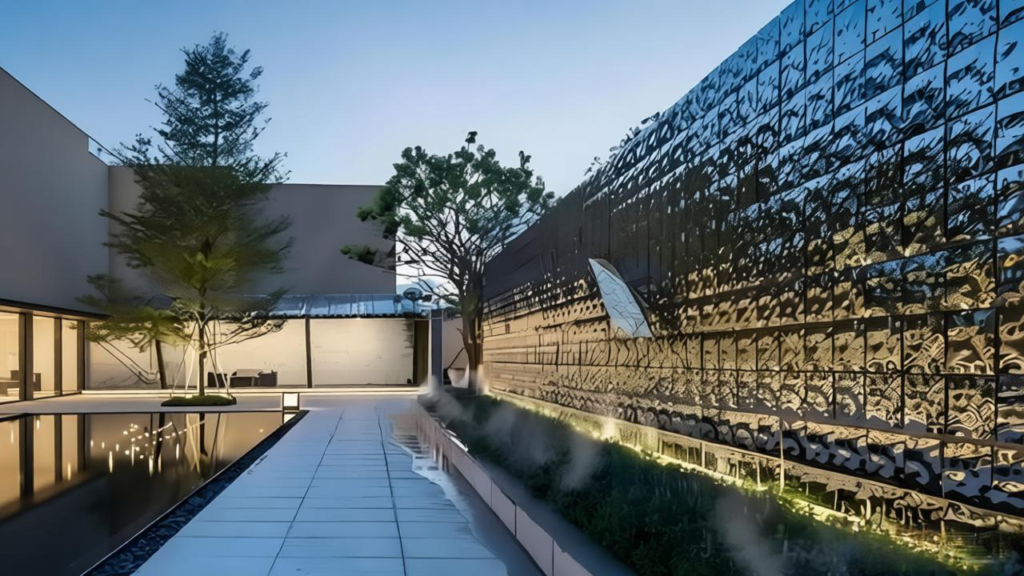
From Malls to Landmarks: 5 Creative Applications of Kinetic Facades (Technical Principle Analysis)
In an era of visual overload, where every commercial building, shopping mall, and public space competes for attention, standing out from the crowd has become a critical challenge for commercial real estate developers, mall managers, and brand marketing directors. Static facades and generic exterior designs no longer suffice—today’s audiences crave dynamic, engaging experiences that leave a lasting impression. This is where Kinetic wall for commercial buildings, Exterior shimmer wall for retail, Kinetic art for public spaces, and Architectural wind walls step in: more than just decorative elements, they are powerful “attention-grabbing tools” that blend aesthetics, functionality, and brand value. These dynamic systems transform ordinary buildings into eye-catching destinations, driving foot traffic, enhancing brand visibility, and turning underutilized spaces into urban landmarks. For B2B decision-makers focused on maximizing ROI, kinetic facades are not just an investment in design—they are a strategic tool to boost engagement, differentiate properties, and elevate the overall value of commercial and public spaces. This article explores five creative, high-impact applications of kinetic facades, paired with a deep dive into their core technical principles and engineering mechanisms, tailored to the unique needs of commercial real estate developers, mall managers, and brand marketing leaders, with actionable insights into how these systems deliver tangible business results.
The rise of kinetic facades in commercial and public spaces is rooted in their ability to solve a core pain point for B2B decision-makers: how to create memorable, Instagram-worthy spaces that drive traffic, enhance brand perception, and deliver long-term value. Unlike static exterior designs, Architectural wind walls and Exterior shimmer wall for retail respond to natural elements (like wind) or user interaction, creating a dynamic visual experience that draws people in. For commercial real estate developers, this means higher tenant demand and increased property value. For mall managers, it translates to more foot traffic, longer visitor stays, and higher retail sales. For brand marketing directors, it offers a unique canvas to showcase brand identity, turning buildings into living, breathing brand ambassadors. Whether used to revitalize a shopping mall, screen a parking garage, enhance a hotel’s curb appeal, create a public art landmark, or reinforce corporate branding, kinetic facades are versatile, scalable, and proven to deliver measurable ROI—making them a must-have for modern commercial and public space design. To fully leverage their potential, it is critical for B2B decision-makers to understand the technical principles that underpin these systems, from fluid dynamics and material engineering to precision mechanics and control systems.
Technical Principle Deep Dive: How Kinetic Facades Work
At the core of every Kinetic wall for commercial buildings, Exterior shimmer wall for retail, and Architectural wind walls lies a sophisticated integration of fluid dynamics, precision engineering, material science, and control systems. Unlike static facades, kinetic systems are designed to respond to external stimuli—most commonly wind, but also user interaction, light, or temperature—creating controlled, predictable movement that balances aesthetic appeal with structural safety. Below is a detailed breakdown of the core technical principles, complemented by a table of key technical parameters that B2B decision-makers should consider when selecting and implementing kinetic facades.
1. Fluid Dynamics: The Driving Force Behind Wind-Activated Kinetic Facades
The majority of Architectural wind walls and Exterior shimmer wall for retail rely on wind as their primary activation force, leveraging the principles of fluid dynamics to generate controlled movement. Fluid dynamics is the study of how gases (like air) and liquids flow, and how forces act on objects within these flows. For kinetic facades, the key principle is aerodynamic drag—the force exerted by wind on the surface of the facade’s panels or tiles, which creates torque (rotational force) around a pivot point. This torque is what causes the panels to rotate or move, creating the dynamic, wave-like motion that defines kinetic facades.
To optimize wind activation, engineers design kinetic facade panels with specific aerodynamic profiles. The shape, size, and angle of each panel are calibrated to ensure that even low wind speeds (2-3 mph) can generate enough torque to initiate movement, while high wind speeds (25+ mph) are controlled to prevent damage. For example, Exterior shimmer wall for retail tiles are often shaped with a curved or angled profile, which increases aerodynamic drag on one side of the panel, creating a imbalance that drives rotation. This design ensures that the tiles move smoothly and consistently, even in variable wind conditions—a critical factor for maintaining the aesthetic appeal of the facade.
Another key fluid dynamics principle is vortex shedding, which occurs when wind flows around a solid object (like a kinetic panel) and creates swirling eddies of air. Engineers account for vortex shedding in the design of Kinetic wall for commercial buildings to prevent erratic movement or structural stress. By spacing panels at specific intervals and optimizing their shape, they can minimize the impact of vortex shedding, ensuring that the facade moves in a coordinated, predictable manner. This precision is essential for large-scale installations, such as Kinetic art for public spaces, where thousands of panels must move in harmony to create a cohesive visual effect.
2. Precision Mechanics: Pivot Systems and Joint Engineering
The smooth, controlled movement of Kinetic wall for commercial buildings and Architectural wind walls is made possible by precision mechanical components, primarily pivot systems and mechanical joints. These components are engineered to minimize friction, ensure alignment, and withstand repeated movement and environmental exposure—critical for long-term durability and performance.
The pivot system is the backbone of any wind-activated kinetic facade, serving as the axis around which panels rotate. Pivots are typically made from high-grade stainless steel or titanium, materials chosen for their corrosion resistance and low friction properties. The pivot design varies depending on the application: for Exterior shimmer wall for retail, pivots are often small, compact, and hidden within the panel to maintain the facade’s sleek aesthetic; for large-scale Kinetic art for public spaces, pivots are more robust, designed to support heavier panels and withstand higher wind loads.
Mechanical joints connect the panels to the pivot system and the building’s mounting frame, ensuring that movement is transferred smoothly and evenly. These joints are engineered with tight tolerances (±0.01mm) to prevent excess play or tightness, which could impede movement or cause premature wear. To further reduce friction, joints are often fitted with ball bearings or Teflon-coated sleeves, which minimize contact between moving parts. ForInteractive exterior walls for corporate offices, joints may also include sensors or actuators that allow the facade to respond to user interaction, such as touch or movement, adding an additional layer of functionality.
3. Material Science: Selecting the Right Materials for Performance and Aesthetics
The performance, durability, and aesthetic appeal of Kinetic wall for commercial buildings, Exterior shimmer wall for retail, and Architectural wind walls depend heavily on material selection. Engineers and architects must balance three key factors: durability (resistance to corrosion, UV radiation, and impact), weight (to optimize wind activation and structural load), and aesthetics (to align with the project’s design vision). Below is a detailed table comparing the most common materials used in kinetic facades, along with their technical properties and ideal applications—critical information for B2B decision-makers selecting materials for their projects.
| Material Type | Technical Properties (Durability, Weight, Friction) | Aesthetic Characteristics | Ideal Kinetic Facade Applications | ROI Considerations |
|---|---|---|---|---|
| Stainless Steel (316-Grade) | Exceptional corrosion resistance (ideal for coastal areas); high impact resistance; density of 7.9g/cm³ (medium-heavy); low friction when paired with ball bearings; lifespan of 25-30+ years. | Polished finish for high reflectivity; brushed finish for subtle sheen; customizable with coatings/colors; sleek, modern appearance. | Architectural wind walls in coastal commercial developments; Kinetic art for public spaces requiring long-term durability; high-end Kinetic wall for commercial buildings. | Higher upfront cost; low maintenance costs; long lifespan offsets initial investment. |
| Aluminum Alloy (Anodized) | Good corrosion resistance (anodized coating); moderate impact resistance; density of 2.7g/cm³ (lightweight); low friction; lifespan of 15-20 years with recoating every 5-7 years. | Range of colors (matte, glossy, metallic); subtle silver sheen in natural form; reflective without being overly bright; versatile for custom designs. | Exterior shimmer wall for retail; Best kinetic wall designs for shopping malls; Kinetic facade for parking garage screening; Interactive exterior walls for corporate offices. | Medium upfront cost; moderate maintenance costs; balance of performance and affordability (most widely used material). |
| Polycarbonate (PC, UV-Treated) | Excellent impact resistance (shatterproof); UV resistance (with coating); density of 1.2g/cm³ (very lightweight); moderate friction; lifespan of 10-15 years. | Transparent, translucent, or colored options; diffuses light for a soft effect; vibrant colors available for creative designs. | Temporary Kinetic art for public spaces; low-rise Kinetic wall for commercial buildings; Exterior shimmer wall for retail in budget-conscious projects. | Low upfront cost; moderate maintenance costs; shorter lifespan requires replacement sooner. |
| Glass (Tempered/Reflective) | High impact resistance (tempered); UV resistance; density of 2.5g/cm³ (medium weight); moderate friction; lifespan of 20-25 years. | Highly reflective; transparent or opaque options; sleek, modern appearance; enhances light reflection for shimmer effects. | Luxury Exterior shimmer wall for retail; hotel kinetic facades; high-end Kinetic wall for commercial buildings focusing on elegance. | High upfront cost; low maintenance costs; premium aesthetic justifies higher investment for luxury projects. |
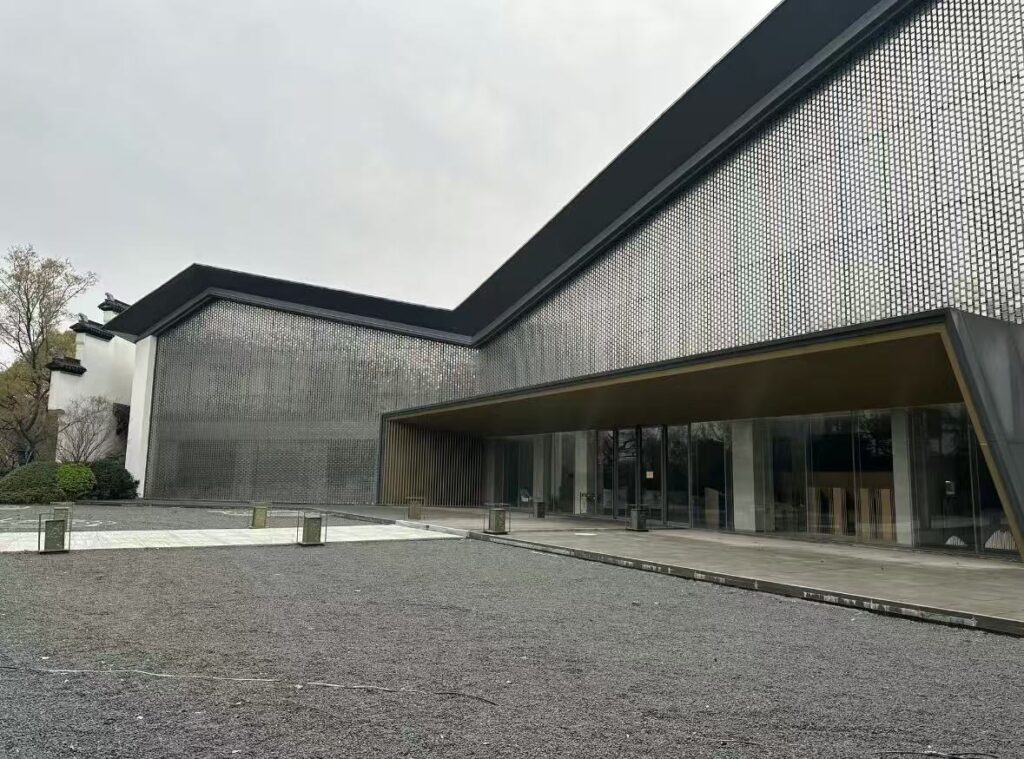
4. Control Systems: Balancing Automation and Manual Adjustment
While most Architectural wind walls and Exterior shimmer wall for retail are wind-activated, modern kinetic facades often integrate control systems to enhance functionality and safety. These systems allow B2B decision-makers to adjust the facade’s movement, respond to extreme weather conditions, and even integrate brand messaging or interactive elements—critical for applications like Interactive exterior walls for corporate offices and Best kinetic wall designs for shopping malls.
Passive control systems are the most common, relying on mechanical components to regulate movement without external power. For example, wind dampers are installed in the pivot system to slow panel movement during high winds, preventing damage to the facade or the building. These dampers use hydraulic or spring-loaded mechanisms to absorb excess torque, ensuring that the panels move smoothly even in strong wind conditions. Passive systems are ideal for Kinetic art for public spaces and Architectural wind walls where minimal maintenance is desired.
Active control systems, on the other hand, use sensors, actuators, and software to monitor and adjust the facade’s movement. Sensors detect wind speed, light levels, or user interaction, and actuators adjust the panel angle or movement pattern accordingly. For example, Interactive exterior walls for corporate offices may use motion sensors to trigger panel movement when a pedestrian approaches, creating an engaging, interactive experience. Active systems can also be programmed to display brand logos or messages by coordinating panel movement—a valuable feature for brand marketing directors looking to reinforce brand visibility.
Additionally, many kinetic facades include manual override systems, allowing mall managers, building operators, or commercial real estate developers to lock the panels in place during extreme weather (like hurricanes or heavy snow) or for maintenance. This flexibility ensures that the facade remains safe and functional in all conditions, protecting the investment and extending the system’s lifespan.
5. Structural Integration: Ensuring Compatibility with Commercial Buildings
A critical technical consideration for Kinetic wall for commercial buildings and Architectural wind walls is their integration with the building’s existing structure. The facade’s mounting frame, pivot systems, and panels must be designed to distribute wind loads evenly across the building’s load-bearing structure, preventing structural stress or damage. Engineers conduct detailed structural analysis to calculate the maximum wind loads the facade will encounter—based on the building’s location, height, and surrounding environment—and design the mounting frame accordingly.
The mounting frame is typically constructed from galvanized steel or aluminum alloy, materials chosen for their strength and corrosion resistance. The frame is anchored to the building’s concrete or steel structure using high-strength fasteners, ensuring that it can withstand the dynamic forces generated by thousands of moving panels. For Kinetic facade for parking garage screening, the mounting frame is often designed to be modular, allowing for easy installation and customization to fit the parking garage’s unique shape and size.
Another key structural consideration is thermal expansion and contraction. Kinetic facade materials (like aluminum alloy and stainless steel) expand and contract with temperature changes, which can cause stress on the pivot systems and joints. Engineers account for this by incorporating expansion joints into the design, allowing the facade to move slightly without compromising structural integrity. This is particularly important for projects in regions with extreme temperature fluctuations, ensuring that the facade remains functional and durable year-round.
Retail & Shopping Centers: Boost Foot Traffic and Social Media Engagement
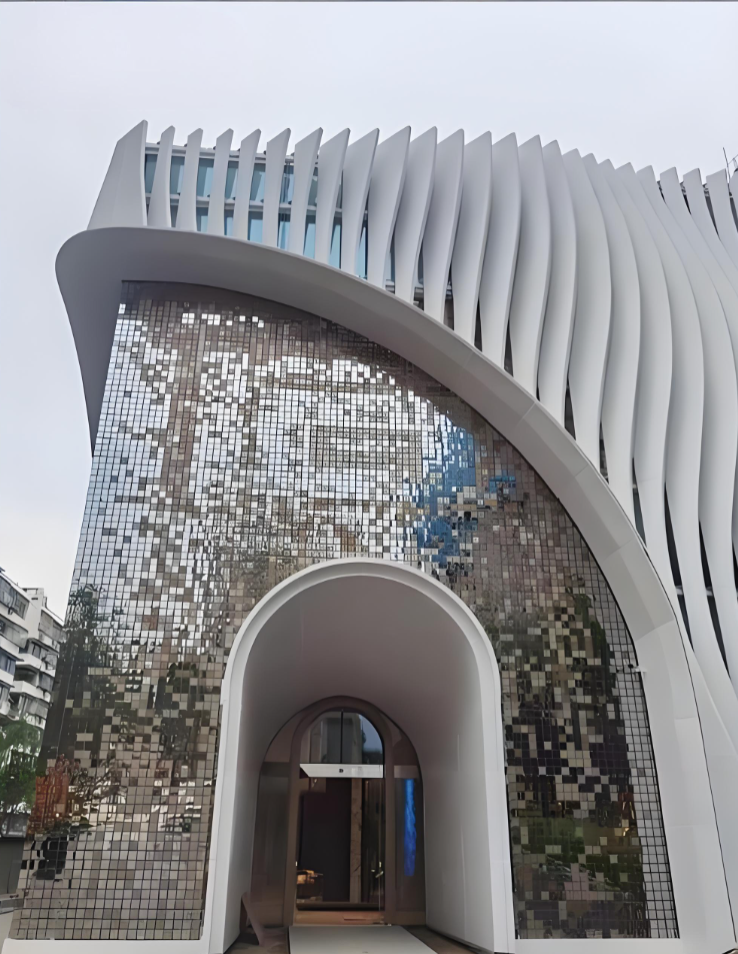
Shopping malls and retail centers face intense competition to attract and retain visitors, with foot traffic being the lifeblood of retail success. In a landscape where consumers increasingly seek experiential shopping, Exterior shimmer wall for retail and Kinetic wall for commercial buildings have emerged as game-changers, turning ordinary storefronts and mall exteriors into magnetic destinations. These dynamic systems leverage movement and light to catch the eye of passersby, driving foot traffic into the mall and increasing the likelihood of social media sharing— a critical driver of organic brand exposure in today’s digital age.
From a technical perspective, Exterior shimmer wall for retail in shopping malls is engineered to optimize wind activation and visual impact. The panels are typically made from anodized aluminum alloy (as highlighted in the material table), chosen for its lightweight properties (2.7g/cm³) and customizable finish. The panels are designed with a curved aerodynamic profile, which maximizes aerodynamic drag and ensures movement even in low wind speeds (2-3 mph)—critical for maintaining visual engagement in calm conditions. The pivot systems are compact and hidden within the panels, maintaining the facade’s sleek aesthetic while ensuring smooth, consistent movement.
One of the most effective applications of kinetic facades in retail spaces is the integration of Exterior shimmer wall for retail along mall entrances, food courts, or high-traffic corridors. These shimmer walls, often composed of reflective, wind-activated tiles, create a dazzling visual display as they catch sunlight and move with the wind, instantly drawing attention from the street and nearby areas. For mall managers, this translates to increased foot traffic: studies show that dynamic, visually engaging exteriors can boost foot traffic by 20-30%, as curious passersby are drawn to the movement and unique aesthetic. Additionally, these shimmer walls are highly shareable on social media platforms like Instagram and TikTok, with visitors posting photos and videos of the dynamic display—effectively turning mall visitors into brand ambassadors and driving organic traffic to the property.
When it comes to Best kinetic wall designs for shopping malls, versatility and brand alignment are key. For example, a high-end shopping mall might opt for a sleek Kinetic wall for commercial buildings with metallic stainless steel tiles that reflect light and move in fluid, wave-like patterns, aligning with the mall’s luxury brand identity. A family-friendly mall, on the other hand, could use a more playful kinetic design with colorful polycarbonate tiles that create a lively, inviting atmosphere. These designs not only enhance curb appeal but also encourage visitors to linger, explore, and spend more time (and money) in the mall. For brand marketing directors, retail kinetic walls offer an opportunity to integrate brand colors, logos, or messaging into the dynamic display—for example, a shimmer wall that reflects the brand’s signature color or moves in a pattern that echoes the brand’s logo, reinforcing brand visibility and recognition.
Another key benefit of kinetic facades in retail spaces is their ability to adapt to different seasons and promotions. Mall managers can adjust the tile colors, movement patterns, or lighting of the kinetic wall to align with holiday seasons, sales events, or brand campaigns—keeping the exterior fresh and engaging year-round. For example, during the holiday season, a shimmer wall can be lit with warm, festive colors, while during a summer sale, it can feature bright, energetic movements to attract shoppers. This flexibility is made possible by the facade’s control system, which allows for manual adjustment of panel angles or lighting—ensuring that the kinetic wall remains a relevant, attention-grabbing element that continues to drive foot traffic and engagement over time. For commercial real estate developers, this adaptability adds long-term value to the property, as the kinetic facade can be updated to meet changing market trends and tenant needs.
Case studies further validate the impact of kinetic facades in retail spaces: a major shopping mall in a bustling urban area installed an Exterior shimmer wall for retail at its main entrance, resulting in a 27% increase in foot traffic within the first three months. Additionally, social media mentions of the mall increased by 45%, with visitors sharing photos and videos of the shimmer wall, leading to a 15% increase in new customer visits. These results demonstrate that kinetic facades are not just aesthetic enhancements—they are strategic tools that deliver measurable business outcomes for mall managers and commercial real estate developers, backed by robust technical engineering that ensures reliable performance.
Parking Garage Screens: Transform Boring Exteriors into Urban Art
Parking garages are a necessary component of commercial developments, but their plain, utilitarian exteriors often detract from the overall streetscape and curb appeal of a property. For commercial real estate developers and mall managers, this represents a missed opportunity—until the rise of Kinetic facade for parking garage screening. These dynamic systems turn unsightly parking garage walls into vibrant, eye-catching streetscape art, enhancing the aesthetic appeal of the property, improving the surrounding urban environment, and even boosting the value of nearby real estate. From a technical standpoint, Kinetic facade for parking garage screening is engineered to balance functionality (screening the garage interior) with durability and visual impact.
Kinetic facade for parking garage screening is designed to address two key challenges: concealing the unsightly exterior of parking garages while creating a visually engaging design that contributes to the urban landscape. Unlike traditional screening materials (like metal grilles or vinyl wraps), Architectural wind walls and kinetic art installations are dynamic, responding to wind and light to create a ever-changing display. This not only hides the parking garage’s interior but also turns the structure into a focal point of the streetscape, enhancing the overall curb appeal of the commercial development. The technical design of these screens prioritizes modularity—allowing for easy installation and customization to fit the parking garage’s unique shape and size—and durability, with materials chosen to withstand harsh urban environments (pollution, wind, rain, and UV radiation).
For commercial real estate developers, parking garage kinetic screens offer a cost-effective way to improve the aesthetic value of a property without significant structural modifications. These systems are modular, easy to install, and can be customized to fit the size and shape of any parking garage exterior. Additionally, they are durable and low-maintenance, able to withstand harsh weather conditions (like strong winds, rain, and UV radiation) without fading or degradation. This makes them an ideal solution for urban commercial developments, where parking garages are often visible from busy streets and public spaces. The pivot systems and mechanical joints are engineered to withstand repeated movement and exposure to the elements, with stainless steel components that resist corrosion and minimize friction.
Another key benefit of Kinetic facade for parking garage screening is their ability to transform parking garages into urban landmarks. For example, a parking garage in a downtown area can be fitted with a Kinetic art for public spaces installation, featuring dynamic tiles that move with the wind and create a unique, recognizable pattern. This not only improves the curb appeal of the parking garage but also becomes a point of interest for pedestrians and visitors, enhancing the overall vibrancy of the urban area. For mall managers, this means that even the parking garage becomes a draw, encouraging visitors to choose their mall over competitors with plain, unappealing parking structures. The technical design of these installations often includes large-scale panels (made from aluminum alloy or stainless steel) that are calibrated to move in harmony, creating a cohesive visual effect that captures attention.
In addition to aesthetic benefits, kinetic parking garage screens also offer functional advantages. They can help to reduce noise from the parking garage (by acting as a sound barrier) and improve ventilation, while also providing shade and reducing heat gain—making the parking garage more comfortable for users. From a technical perspective, the panels are spaced to allow for airflow while still providing effective screening, and the material choice (often aluminum alloy) helps to reflect sunlight, reducing heat absorption. For brand marketing directors, parking garage kinetic screens offer an unexpected opportunity to showcase brand identity: a retail brand or hotel can integrate its logo or brand colors into the kinetic design, turning the parking garage into an extension of the brand’s marketing strategy. This not only reinforces brand visibility but also creates a cohesive, memorable experience for visitors from the moment they arrive.
A notable example of this application is a commercial development in a major city that installed aKinetic facade for parking garage screening on a 10-story parking structure. The kinetic screen, composed of wind-activated aluminum alloy tiles in the development’s brand colors, transformed the plain concrete exterior into a dynamic work of art. Within six months, the parking garage became a popular spot for photos and social media posts, and the surrounding retail spaces saw a 12% increase in foot traffic. Additionally, the value of the commercial property increased by 18%, demonstrating the long-term ROI of kinetic parking garage screens for commercial real estate developers—backed by the technical engineering that ensures reliable, low-maintenance performance.
Hospitality & Hotels: Create Luxury, Dynamic Lobby Entrances
In the hospitality industry, first impressions are everything. Hotel guests judge a property’s luxury and quality from the moment they arrive, making the lobby entrance a critical touchpoint for brand perception. Kinetic wall for commercial buildings and Exterior shimmer wall for retail (adapted for hospitality use) have become a go-to solution for hotels looking to create a luxurious, dynamic entrance that sets them apart from competitors. These systems enhance curb appeal, create a memorable arrival experience, and reinforce the hotel’s brand identity—key factors for attracting high-end guests and driving repeat business. From a technical perspective, hotel kinetic facades are engineered to prioritize elegance, durability, and customization, with materials and mechanics tailored to the luxury market.
One of the most popular applications of kinetic facades in hospitality is the integration of Exterior shimmer wall for retail at hotel entrances. These shimmer walls, often made of reflective metallic tiles (stainless steel or anodized aluminum alloy) or colored glass, catch the light and move with the wind, creating a dazzling, sophisticated display that exudes luxury. For luxury hotels, this translates to a memorable arrival experience: guests are greeted by a dynamic, eye-catching entrance that sets the tone for their stay. The technical design of these shimmer walls prioritizes smooth, fluid movement, with precision pivot systems and low-friction joints that ensure the panels move in a graceful, wave-like pattern—enhancing the luxury aesthetic.
Brand marketing directors in the hospitality industry often ask, How to use shimmer walls for hotel branding? The answer lies in customization: shimmer walls can be tailored to reflect the hotel’s brand colors, logo, or design aesthetic. For example, a luxury hotel with a gold brand color can use gold-colored anodized aluminum alloy tiles that reflect sunlight, creating a opulent, inviting entrance. A boutique hotel with a focus on sustainability can use recycled aluminum alloy for the kinetic tiles, aligning with its brand values and appealing to eco-conscious guests. Additionally, shimmer walls can be paired with lighting systems to create a dynamic display at night, ensuring that the hotel entrance remains eye-catching even after dark. From a technical standpoint, the lighting is integrated with the facade’s control system, allowing for automated dimming or color changes to match the hotel’s ambiance.
Beyond the entrance, Kinetic wall for commercial buildings can also be used in hotel lobbies, courtyards, or rooftop spaces to enhance the guest experience. For example, a hotel lobby might feature a kinetic art installation that moves with the wind, creating a calming, mesmerizing atmosphere for guests to enjoy. These installations are often made from glass or polycarbonate panels, which diffuse light and create a soft, elegant effect. A rooftop bar could use a shimmer wall as a backdrop, providing a stunning visual element for photos and social media posts—encouraging guests to share their experience and drive organic marketing for the hotel. The technical design of these interior kinetic walls prioritizes noise reduction, with pivot systems and joints engineered to minimize sound, ensuring that the movement does not disrupt the hotel’s ambiance.
For commercial real estate developers investing in hospitality properties, kinetic facades offer a way to increase the value of the hotel and attract high-paying tenants. A hotel with a dynamic, visually appealing entrance is more likely to command higher room rates and attract more guests, leading to higher revenue and ROI. Additionally, kinetic facades can help to revitalize older hotels during facade renovation, giving them a modern, updated look without the need for a full structural overhaul. This makes them a cost-effective solution for hotel owners looking to refresh their property and stay competitive in the market. The technical durability of these facades—with materials like stainless steel and anodized aluminum alloy—ensures that they require minimal maintenance, reducing long-term costs for hotel owners.
A case study of a luxury hotel in a major tourist destination illustrates the impact of kinetic facades in hospitality: the hotel installed an Exterior shimmer wall for retail at its main entrance, along with a kinetic art installation in the lobby. The shimmer wall was made from gold-anodized aluminum alloy tiles, with a precision pivot system that ensured smooth, fluid movement. Within a year, the hotel saw a 22% increase in room bookings, a 15% increase in average room rates, and a 30% increase in social media mentions. Guests consistently cited the dynamic entrance and lobby as a key reason for choosing the hotel, demonstrating that kinetic facades are a powerful tool for enhancing the hospitality guest experience and driving business results—backed by technical engineering that delivers luxury and reliability.
Public Art Installations: Build Urban Landmarks and Enhance Community Value
Cities and urban areas are increasingly investing in public art to enhance the quality of life for residents, attract tourists, and create urban landmarks that define the community’s identity.Kinetic art for public spaces and Architectural wind walls have become a popular choice for public art installations, as they offer a dynamic, interactive alternative to traditional static art. For commercial real estate developers, these installations not only enhance the surrounding area but also increase the value of nearby commercial properties, making them a strategic investment in community development. From a technical perspective,Kinetic art for public spaces is engineered to be large-scale, durable, and engaging, with mechanics designed to withstand heavy use and extreme environmental conditions.
Kinetic art for public spaces is designed to engage with the community and the natural environment, creating a unique, ever-changing experience for pedestrians. Unlike static public art, kinetic installations respond to wind, light, and even human interaction, making them more engaging and memorable. For example, a large-scale Architectural wind wall in a public plaza can feature thousands of wind-activated tiles that move in harmony with the wind, creating a mesmerizing wave-like display. This not only attracts tourists and residents but also becomes a symbol of the city, enhancing its reputation as a vibrant, creative community. The technical design of these installations prioritizes scalability, with modular panels that can be easily expanded or modified to fit the public space’s size and shape.
For commercial real estate developers, investing in Kinetic art for public spaces near their commercial properties offers multiple benefits. First, it enhances the curb appeal of the area, making it more attractive to tenants and customers. Second, it increases foot traffic to nearby retail, restaurant, and office spaces, boosting revenue for businesses and increasing the value of the developer’s properties. Third, it demonstrates the developer’s commitment to community development, enhancing their brand reputation and building goodwill with local residents and government officials. The technical durability of these installations is critical, as they are exposed to constant public use and extreme weather conditions—materials like stainless steel and aluminum alloy are chosen for their resistance to corrosion, impact, and UV radiation, ensuring that the art installation remains functional and visually appealing for decades.
Public art kinetic installations also play a key role instreetscape art, transforming dull, underutilized public spaces into vibrant, engaging destinations. For example, a vacant lot or a boring city wall can be transformed into a dynamic kinetic art installation, breathing new life into the area and encouraging community interaction. These installations often become popular spots for photos and social media sharing, driving tourism and economic activity in the surrounding area. For brand marketing directors, public art kinetic installations offer an opportunity to sponsor the art, aligning the brand with creativity, community, and innovation—enhancing brand visibility and reputation. From a technical perspective, these installations may include interactive elements, such as motion sensors that trigger panel movement when a pedestrian approaches, creating a more engaging experience.
Another key benefit of Kinetic art for public spaces is its ability to enhance community value. These installations bring people together, creating a sense of place and pride in the community. They also serve as educational tools, teaching residents and visitors about art, engineering, and the natural environment. For example, a kinetic art installation that uses wind energy to create movement can educate the public about renewable energy, aligning with community sustainability goals. This makes kinetic public art not just an aesthetic enhancement, but a valuable community resource. The technical design of these installations often includes informational plaques or interactive displays that explain the fluid dynamics and engineering principles behind the movement, making them both engaging and educational.
A notable example of this application is a public plaza in a mid-sized city that installed a large-scale Architectural wind wall as part of its downtown revitalization project. The kinetic installation, composed of 10,000 wind-activated aluminum alloy tiles, became an instant urban landmark, attracting over 100,000 visitors in its first year. The surrounding commercial district saw a 35% increase in foot traffic, and property values for nearby commercial buildings increased by 25%. Additionally, the installation won several design awards, putting the city on the map as a hub for public art and innovation—demonstrating the powerful impact of kinetic art for public spaces on community development and commercial value, backed by robust technical engineering that ensures long-term performance.
Corporate Branding: Integrate Brand Logos into Dynamic Backgrounds
In today’s competitive corporate landscape, building brand recognition and standing out from competitors is critical for businesses of all sizes. Interactive exterior walls for corporate offices and Kinetic wall for commercial buildings offer a unique way for companies to showcase their brand identity, turning their office exteriors into powerful marketing tools. For brand marketing directors, these dynamic walls provide an opportunity to integrate the company’s logo, brand colors, and messaging into a visually engaging display that captures attention and reinforces brand recall. From a technical perspective, Interactive exterior walls for corporate offices are engineered to be flexible, interactive, and brand-aligned, with control systems that allow for customization and engagement.
Interactive exterior walls for corporate offices are designed to be both visually striking and brand-aligned. Unlike static signage, these kinetic walls move with the wind or respond to user interaction, creating a dynamic display that draws attention from the street and nearby areas. For example, a corporate office building can install a Kinetic wall for commercial buildings that features the company’s logo embedded in the tile pattern—when the wind blows, the tiles move, revealing and hiding the logo in a playful, engaging way. This not only reinforces brand visibility but also creates a memorable impression for clients, employees, and passersby. The technical design of these walls includes precision pivot systems and control systems that coordinate the movement of the tiles to form the logo or brand message, ensuring that it is clearly visible and visually appealing.
Brand marketing directors can also use Exterior shimmer wall for retail (adapted for corporate use) to enhance brand visibility. These shimmer walls, with their reflective tiles, can be customized to match the company’s brand colors, creating a sleek, modern exterior that aligns with the company’s brand identity. For example, a tech company might use a shimmer wall with blue and silver anodized aluminum alloy tiles (its brand colors) that reflect light and move with the wind, creating a dynamic, innovative look that aligns with the company’s values. A luxury brand might use a gold or black stainless steel shimmer wall to exude elegance and sophistication, reinforcing its brand image. The technical design of these walls prioritizes color consistency and reflectivity, ensuring that the brand colors are accurately represented and eye-catching.
Another key application of kinetic facades in corporate branding is the integration of interactive elements. Interactive exterior walls for corporate offices can be designed to respond to touch, sound, or movement, allowing employees and visitors to engage with the brand in a hands-on way. For example, a company might install a kinetic wall that changes color or movement pattern when someone touches it, creating an interactive experience that reinforces the brand’s innovative, customer-centric values. This not only enhances brand engagement but also creates a positive impression of the company as forward-thinking and creative. From a technical perspective, these interactive elements are made possible by sensors and actuators integrated into the facade’s control system, which detect user interaction and adjust the panel movement accordingly.
For commercial real estate developers who lease office space to corporations, offering Kinetic wall for commercial buildings as a feature can be a major selling point. Corporations are increasingly looking for office spaces that reflect their brand identity and help them stand out from competitors. A building with a dynamic, brand-aligned kinetic facade is more likely to attract high-profile tenants, command higher lease rates, and retain tenants long-term. Additionally, kinetic facades can help to enhance the building’s curb appeal, making it more attractive to potential tenants and visitors. The technical durability of these facades ensures that they require minimal maintenance, reducing long-term costs for both the developer and the tenant.
A case study of a tech company’s corporate headquarters illustrates the impact of kinetic facades in corporate branding: the company installed an Interactive exterior wall for corporate offices that features its logo and brand colors, with tiles that move in response to wind and user interaction. The wall was engineered with a sophisticated control system that allows the company to adjust the movement pattern to align with brand campaigns or events. Within six months, brand recognition in the area increased by 40%, and the company reported a 25% increase in job applications (attributed to the building’s innovative, attractive design). Additionally, the building became a popular spot for photos and social media posts, with employees and visitors sharing images of the kinetic wall—driving organic brand exposure and reinforcing the company’s image as a leader in innovation, backed by technical engineering that delivers both functionality and brand value.
Conclusion: Kinetic Facades—More Than Decoration, a Strategic ROI Tool Backed by Technical Excellence
For commercial real estate developers, mall managers, and brand marketing directors, Kinetic wall for commercial buildings, Exterior shimmer wall for retail, Kinetic art for public spaces, and Architectural wind walls are far more than decorative elements—they are strategic tools that deliver measurable ROI, backed by sophisticated technical principles and engineering excellence. In a world where visual engagement and brand differentiation are critical to success, kinetic facades solve key business challenges: driving foot traffic, enhancing brand visibility, transforming underutilized spaces into urban landmarks, and creating memorable experiences that attract and retain customers, guests, and tenants.
The technical depth of kinetic facades—from fluid dynamics and precision mechanics to material science and control systems—ensures that these systems are not just visually appealing, but also durable, reliable, and scalable. The material table provided earlier offers B2B decision-makers a clear framework for selecting the right materials for their projects, balancing performance, aesthetics, and cost. The integration of control systems and structural engineering ensures that kinetic facades can be customized to fit any application, from Best kinetic wall designs for shopping malls to Interactive exterior walls for corporate offices, and Kinetic facade for parking garage screening to Kinetic art for public spaces.
From shopping malls looking to boost foot traffic and social media engagement, to parking garages seeking to become urban art, to hotels creating luxury entrance experiences, to public spaces building community landmarks, to corporations showcasing their brand identity—kinetic facades offer versatile, scalable solutions that adapt to the unique needs of each B2B decision-maker. Their ability to blend aesthetics, functionality, and brand value makes them a smart investment for any commercial or public space, delivering long-term benefits that extend far beyond visual appeal.
The key to maximizing the ROI of kinetic facades lies in customization and alignment with business goals—paired with a deep understanding of the technical principles that underpin these systems. For mall managers, this means choosing a design that drives foot traffic and social media engagement, with materials and mechanics optimized for low wind activation. For commercial real estate developers, it means selecting a durable, low-maintenance system that enhances property value, with structural integration that ensures compatibility with the building’s existing structure. For brand marketing directors, it means integrating brand identity into the dynamic display to reinforce recognition and recall, with control systems that allow for customization and engagement. When implemented strategically, kinetic facades transform ordinary buildings into extraordinary destinations—turning investment into tangible business results, backed by technical excellence that ensures long-term performance.
In the end, kinetic facades are not just about making buildings look better—they are about making businesses more successful. They are a testament to the power of design and engineering to drive engagement, differentiation, and value—making them an essential tool for B2B decision-makers looking to thrive in today’s competitive market.
Call to Action (CTA)
Ready to transform your commercial space, shopping mall, hotel, public area, or corporate office with a custom kinetic facade that delivers measurable ROI—backed by technical excellence? Whether you’re looking for Best kinetic wall designs for shopping malls, Kinetic facade for parking garage screening, or a tailored solution for your brand, our team of experts is here to help. We offer end-to-end support, from technical design and material selection to installation and maintenance, ensuring that your kinetic facade meets your business goals and delivers long-term performance. Contact us today for a custom project quote, and let’s turn your vision into a dynamic, eye-catching reality that stands out from the crowd and drives your business forward.