
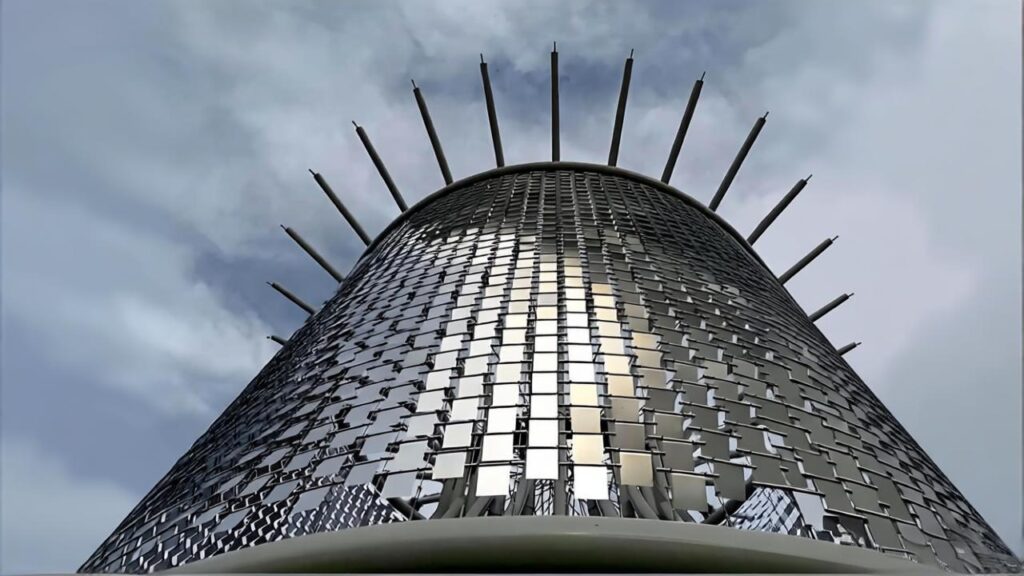
Why Kinetic Walls are the Eco-Friendly Alternative to LED Screens
As energy costs soar and global focus on sustainability intensifies, buildings are increasingly adopting eco-friendly exterior cladding solutions that prioritize both aesthetics and environmental responsibility. Among these, zero-energy dynamic walls and biophilic kinetic architecture have emerged as compelling alternatives to traditional LED screens, offering dynamic visual appeal without the excessive energy consumption and environmental drawbacks of artificial displays. Sustainable building facades are no longer just a trend—they are a necessity for reducing carbon footprints and achieving green building goals.
LED screens have long been a go-to for dynamic building facades, but their high energy demand, light pollution, and limited sustainability make them a less ideal choice in today’s eco-conscious landscape. Kinetic walls, by contrast, leverage natural forces and sustainable materials to deliver the same dynamic visual effect while aligning with green building principles. From zero energy consumption to recyclable components, these sustainable building facades offer a range of environmental benefits that LED screens simply cannot match. This article explores why kinetic walls are the superior eco-friendly alternative, diving into their energy-saving advantages, light pollution reduction, natural ventilation support, recyclable materials, and ability to contribute to LEED certification.
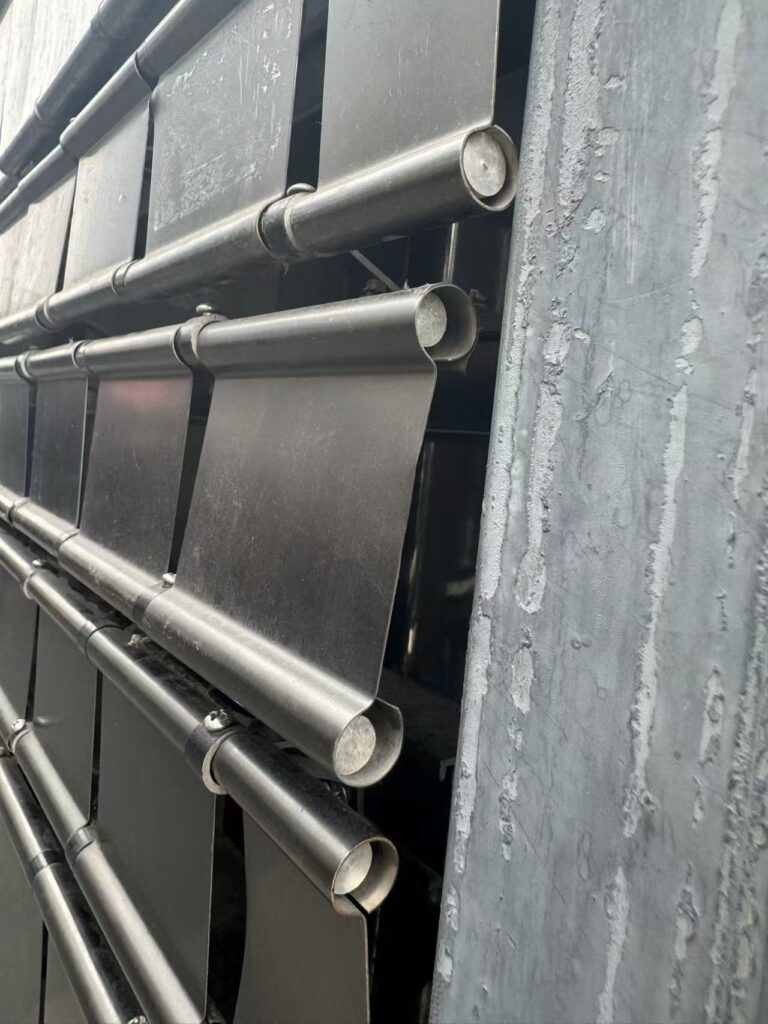
Zero Energy Consumption: Dynamic Effects Powered by Wind, Not Electricity
One of the most significant advantages of kinetic walls over LED screens is their zero energy consumption—a key feature of zero-energy dynamic walls. Unlike LED screens, which require a constant supply of electricity to operate, kinetic walls rely entirely on natural wind to drive their movement. This means no monthly energy bills, no strain on the power grid, and a complete elimination of the carbon emissions associated with electricity generation for facade lighting and movement.
The energy-saving benefits of kinetic shading and dynamic walls are undeniable. LED screens, even the most energy-efficient models, consume a substantial amount of power. A typical LED screen facade can use between 50 and 150 kilowatt-hours (kWh) per square meter each year, depending on brightness and usage. For a large commercial facade spanning 100 square meters, this translates to 5,000 to 15,000 kWh annually—enough to power several average homes. Kinetic walls, by contrast, use 0 kWh, making them a cost-effective and eco-friendly choice for sustainable building facades.
This zero-energy operation does not compromise on visual appeal. Kinetic walls feature lightweight, durable panels that swing and shimmer in the wind, creating a dynamic, ever-changing display that rivals the movement of LED screens. Whether installed on a commercial high-rise or a residential building, these zero-energy dynamic walls deliver the same eye-catching effect without the environmental cost. For businesses and building owners, this means lower operational costs and a smaller carbon footprint, aligning with both financial and sustainability goals.
Reducing Light Pollution: A Kinder Alternative for Urban Environments
Light pollution is a growing concern in urban areas, with LED screens being a major contributor. The bright, constant glow of LED facades can disrupt sleep patterns, interfere with wildlife, and create a harsh, uncomfortable environment for nearby residents. Biophilic kinetic architecture offers a solution, as kinetic walls reduce light pollution significantly while still providing dynamic visual interest.
Unlike LED screens, which emit artificial light 24/7 (or during operating hours), kinetic walls rely on natural light during the day and require no artificial lighting to maintain their dynamic effect. At night, they remain subtle and unobtrusive, reflecting ambient light rather than emitting harsh glare. This makes them far more friendly to周边居民 (surrounding residents) and wildlife, reducing the negative environmental impact of building facades.
Light pollution reduction is not just a matter of comfort—it also has tangible environmental benefits. Excessive artificial light disrupts the natural circadian rhythms of humans and animals, leading to sleep disorders, reduced biodiversity, and increased energy waste. Kinetic walls, with their passive, light-reflective design, mitigate these issues, making them a more sustainable choice for eco-friendly exterior cladding. They offer the dynamic visual appeal that building owners desire without the harmful side effects of LED screens.
Natural Ventilation & Shading: Kinetic Walls as a Building’s Second Skin
Kinetic walls serve as more than just decorative facades—they act as a building’s second skin, supporting natural ventilation and passive cooling, which are key to energy-saving benefits of kinetic shading. Unlike LED screens, which are solid and impenetrable, kinetic panels are designed to allow air flow while providing effective shading, helping buildings stay cool in summer and reduce reliance on air conditioning.
How do kinetic walls help with building ventilation? The modular, movable panels of kinetic walls create gaps that allow fresh air to circulate between the facade and the building’s exterior wall. This natural ventilation reduces the need for mechanical ventilation systems, which consume large amounts of energy. During hot weather, the panels also act as shading devices, blocking direct sunlight and reducing heat absorption by the building’s interior—another example of passive cooling that lowers energy costs.
This dual function of natural ventilation and shading makes kinetic walls a versatile component of sustainable building facades. By reducing the building’s reliance on air conditioning and mechanical ventilation, they further cut energy consumption and carbon emissions. For example, a commercial building with a kinetic wall facade can reduce its cooling costs by 20-30% compared to a building with an LED screen facade, thanks to the passive cooling and ventilation benefits.
Recyclable Materials: Minimizing Environmental Impact Through Sustainable Design
Sustainability extends beyond energy consumption—it also involves the materials used in construction. Kinetic walls are typically made from highly recyclable materials like aluminum and stainless steel, addressing the长尾关键词 “Recyclable materials in kinetic facades” and aligning with the use of green building materials.
Aluminum and stainless steel have extremely high recycling rates—aluminum can be recycled indefinitely with no loss of quality, and stainless steel has a recycling rate of over 80%. This means that at the end of a kinetic wall’s lifespan, its components can be recycled and repurposed, reducing waste and minimizing the environmental impact of the facade. In contrast, LED screens contain hazardous materials like lead and mercury, which are difficult to recycle and can leach into the environment if not disposed of properly.
The use of recyclable materials also contributes to a lower carbon footprint. Producing new aluminum from recycled materials uses 95% less energy than producing it from raw bauxite ore. Similarly, recycling stainless steel reduces energy consumption by 74% compared to producing it from virgin materials. By choosing kinetic walls with recyclable components, building owners can reduce their environmental impact and support a circular economy.
| Material | Recycling Rate | Energy Savings vs. Virgin Production | Environmental Benefit |
|---|---|---|---|
| Aluminum (Kinetic Panels) | 75-80% | 95% | Reduced greenhouse gas emissions; minimal waste |
| Stainless Steel (Hardware) | 80-85% | 74% | Long lifespan; corrosion-resistant; fully recyclable |
| LED Screen Components | 10-15% | Negligible | Hazardous materials; difficult to recycle; high waste |
LEED Credits: How Kinetic Walls Support Green Building Certification
For building owners seeking LEED certification—a globally recognized standard for green buildings—kinetic walls offer a valuable path to earning credits. LEED certification focuses on reducing environmental impact, improving energy efficiency, and enhancing indoor and outdoor environmental quality, all of which are supported by kinetic walls and sustainable building facades.
Kinetic walls can contribute to several LEED credits, including those related to energy efficiency, sustainable materials, and light pollution reduction. For example:
- Energy and Atmosphere (EA) Credits: By reducing energy consumption through zero-energy operation and passive cooling, kinetic walls help buildings meet LEED requirements for energy efficiency.
- Materials and Resources (MR) Credits: The use of recyclable materials like aluminum and stainless steel contributes to credits for recycled content and sustainable material selection.
- Sustainable Sites (SS) Credits: Reducing light pollution and supporting natural ventilation helps earn credits for site sustainability and reducing environmental impact.
Earning LEED credits not only enhances a building’s reputation as a sustainable structure but also can lead to tax incentives, lower operating costs, and increased property value. For businesses and organizations committed to green building practices, kinetic walls are a strategic investment that aligns with LEED goals and contributes to a more sustainable future.
| LEED Credit Category | How Kinetic Walls Contribute | Potential Credit Points |
|---|---|---|
| Energy and Atmosphere (EA) | Zero energy consumption; passive cooling; reduced HVAC use | 3-5 points |
| Materials and Resources (MR) | High-recycled content materials; recyclable components | 2-4 points |
| Sustainable Sites (SS) | Light pollution reduction; natural ventilation support | 1-3 points |
Conclusion: Sustainability and Aesthetics Can Coexist
The debate between eco-friendliness and aesthetic appeal is a thing of the past—kinetic walls prove that sustainable building facades can be both environmentally responsible and visually stunning. As zero-energy dynamic walls, they offer a superior alternative to LED screens, with zero energy consumption, reduced light pollution, natural ventilation and shading, recyclable materials, and support for LEED certification. Biophilic kinetic architecture adds an additional layer of benefit, connecting buildings to nature and enhancing the well-being of those who interact with them.
LED screens may have once been the only option for dynamic building facades, but their high energy use, light pollution, and environmental impact make them outdated in today’s sustainable landscape. Kinetic walls, by contrast, leverage natural forces and green building materials to deliver the same dynamic visual effect while minimizing environmental harm. They are a testament to the fact that eco-friendly exterior cladding can be both functional and beautiful, aligning with the growing demand for sustainable, energy-efficient buildings.
CTA: Learn more about our sustainable manufacturing process
Ready to embrace the eco-friendly alternative to LED screens? Our kinetic walls are designed with sustainability at every step—from the recyclable aluminum and stainless steel materials to our zero-waste manufacturing process. We’re committed to creating sustainable building facades that reduce carbon footprints, support LEED certification, and deliver stunning visual appeal. Learn more about our sustainable manufacturing process to discover how we’re redefining dynamic, eco-friendly exterior cladding for the future. Contact us today to start your journey toward a more sustainable building design.
Discuss Your Kinetic Facade Project
Share your dimensions, application, material requirements and project schedule with our engineering team.
Request a Project Consultation